Snaked It Twice and It Clogged Again
Most people arrive at hydro jetting after something else did not work. The line was snaked last month and it is slow again. A cable got stuck partway down the main. The kitchen sink backs up every few weeks no matter what goes down it. Or the plumber who cleared it mentioned roots.
Each of those means the pipe wall itself is coated, narrowed or invaded. A cable opens a path through the middle, but grease, scale and root fibers stay stuck to the sides and catch the next load of debris.
Jetting removes that coating. The right question is not whether to jet, but whether the pipe is sound enough to jet, which is why we look first.
Grease is the usual reason businesses schedule jetting. Restaurants around the Ford Idaho Center and along the I-84 corridor, plus the eateries in downtown Nampa, run kitchen lines hard enough that regular jetting costs less than emergency calls.
Nozzles, Pressure and Water Flow
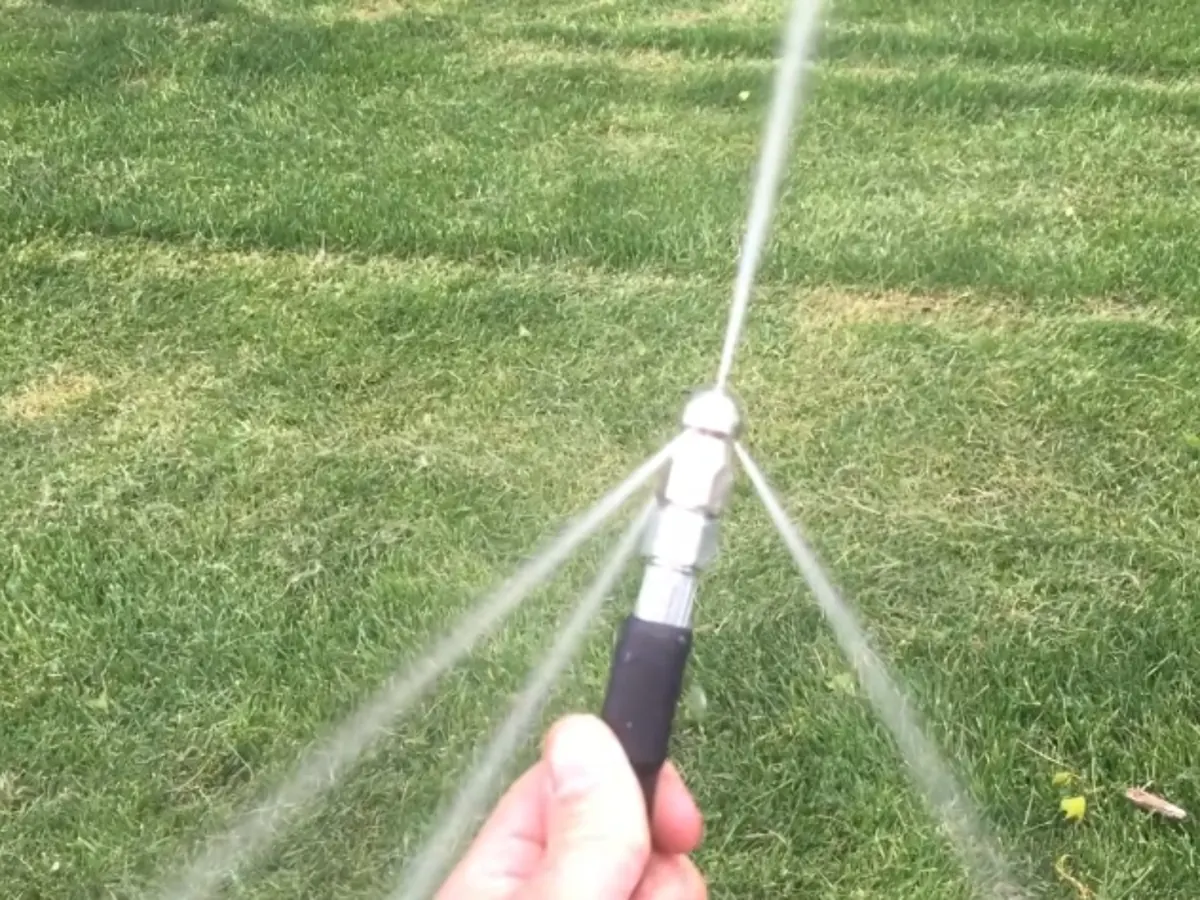
A jetter pumps water through a hose to a nozzle with jets pointing backward and sometimes forward. The rear jets pull the hose up the line and blast the pipe wall as it goes. Different nozzles handle different jobs: a general cleaning nozzle for grease, a penetrating nozzle for packed blockages and a rotating root-cutting head for root masses.
Pressure is matched to the pipe. Residential lines take lower pressure than large commercial mains, and a skilled operator adjusts to the pipe material and condition. The loosened debris flushes down to the city main with the water.
Jetting uses nothing but water, so there are no chemicals left in your line.
Main Line Backed Up Right Now?
We clear it first, then plan the jetting. Call 24/7.
Which Method Fits Your Line
Both tools have a place. This is how we decide.
| Situation | Better choice | Why |
|---|---|---|
| First clog in a single sink | Cable machine | Fast, low cost, usually enough |
| Kitchen line clogging every few weeks | Hydro jetting | Removes the grease coating that causes repeats |
| Roots in the main sewer | Jetting with a root head, then repair | Clears the line, but the joint gap remains |
| Old cracked or fragile pipe | Cable, then repair | High-pressure water can worsen existing damage |
| Commercial kitchen or grease-heavy line | Scheduled jetting | Prevents emergency backups |
That fourth row is why a sewer camera inspection comes before jetting on older lines. If the pipe is broken, the fix is repair, not cleaning.
Grease Is a City-Level Concern in Nampa
Nampa's wastewater pretreatment program requires grease interceptors, sized to Uniform Plumbing Code (UPC) tables, at food service businesses because fats, oils and grease harden inside sewers and cause blockages and overflows. Homes have no interceptor, so kitchen grease stays in your line until it is removed.
Restaurants and other food businesses on regular jetting schedules avoid far more emergency calls than they pay for in maintenance. Our team for business plumbing sets those schedules. For homes, scraping pans into the trash and running hot water after the disposal does most of the prevention.
What Hydro Jetting Costs Depends On
Jetting costs more than a basic snake service because of the equipment and time involved, and it usually saves money over repeated cable calls on a problem line.
Insurance does not cover drain cleaning or jetting as maintenance.
Want your real number? Call (208) 679-8357 and tell us how often the line has clogged.
Hydro Jetting Questions
For pipe in reasonable condition, yes. It is not the right tool for a line that is already cracked or collapsing, which is why older lines get a camera check first.
Much longer than snaking on a grease or scale problem, because the buildup is removed rather than punctured. Roots will return to an open joint eventually, so a root-damaged line still needs repair for a lasting fix.
A root-cutting nozzle clears roots from the pipe. It does not seal the joint they came through, so the roots regrow. Pair jetting with a spot repair or lining for a permanent result.
Yes. Residential jetting is common for kitchen lines and main sewers with repeat clogs. Our standard clog-clearing service handles the simpler one-time clogs.
Yes, including newer communities such as Star, where wipes and construction debris in young lines are a common reason for jetting.