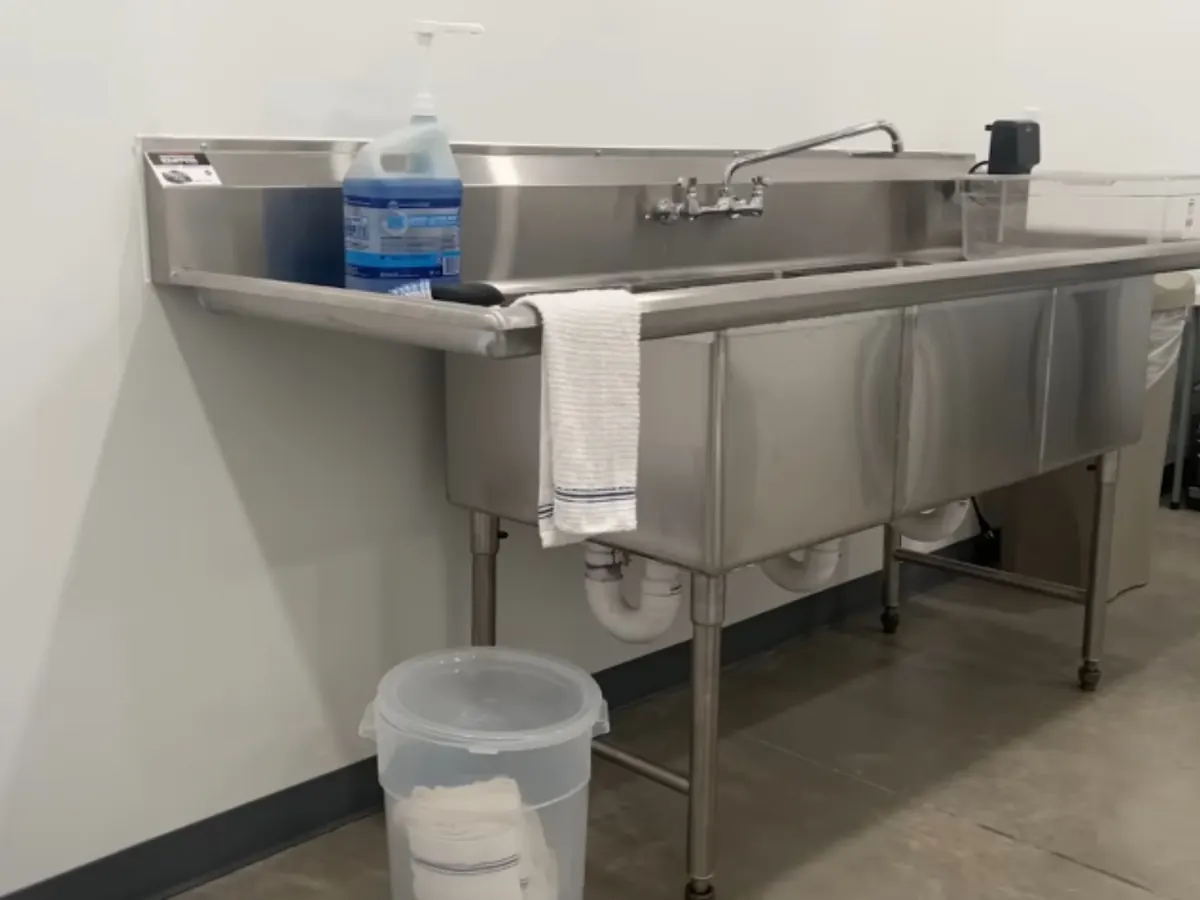
Nampa's Interceptor Requirements, in Plain Terms
The City of Nampa's wastewater pretreatment program requires grease interceptors for food service businesses and any business where fats, oils or grease can reach the sewer. The city's own list includes restaurants, cafes, fast food outlets, convenience stores, bakeries, bars, schools, churches, hospitals, assisted living facilities, hotels and truck stops.
The same program requires interceptors for sites that can discharge fuel, solvents, oil, sand or grit, such as vehicle wash racks, repair shops, car washes and truck terminals. A hydromechanical grease interceptor needs the Wastewater Superintendent's approval before it goes in, and sizing follows the Uniform Plumbing Code (UPC) tables for gravity flow rates.
What that means for you: if you are opening, remodeling or changing the use of a space, confirm the interceptor plan early, because it affects floor layout and permit approval. Pumping a full interceptor is a licensed waste hauler's job. The plumber's side is the interceptor installation, the inlet and outlet piping, the baffles and the drain lines that feed it.
In Nampa, commercial calls cluster in two places. The hotels, restaurants and event venues around the Ford Idaho Center on the northeast side see heavy drain and water heater demand during events like the Snake River Stampede in July. Older storefronts in historic downtown near the depot bring aging drain lines into every tenant build-out.
24/7 Emergency Commercial Plumbing for Nampa Businesses
For a restaurant, clinic or shop, a backed-up floor drain or a burst line in a restroom can mean closing the doors. Emergency commercial calls are handled around the clock, including nights and weekends when a building sits empty and a leak can run for hours before anyone notices.
Tell the dispatcher what kind of business it is, where the water is coming from and whether the building can stay open. Plumbers can clear drains, isolate a failed line or valve and make a repair that lets you reopen, with any larger work quoted before it starts.
Commercial Plumbing Work by Property Type
Different businesses fail in different places. This is where calls from each type of property usually come from.
| Property type | Most common calls | Worth scheduling |
|---|---|---|
| Restaurants and food service | Kitchen line grease clogs, floor drain backups, water heater recovery | Periodic jetting of kitchen lines |
| Retail and offices | Restroom fixtures, flush valves, running toilets, leaks above ceilings | Fixture and shutoff valve checks |
| Churches and schools | Restroom groups used heavily in bursts, drinking fountains | Pre-season checks before heavy use |
| Rentals and multifamily | Tenant clogs, water heaters, leaks between units | Camera checks on shared lines |
| Shops and wash bays | Oil and sand interceptor lines, floor drains | Interceptor line inspection |
Business Flooding or Drains Backing Up?
Shut the main or the affected fixture valves, keep customers clear of the area and call the 24/7 line.
Backflow Assemblies and Annual Testing
Many commercial buildings have a backflow prevention assembly on the water service, fire line or irrigation connection. Its job is to stop water from the building flowing backward into the public supply, and in Idaho these assemblies are generally expected to be tested every year.
Assemblies fail quietly. Springs weaken, check valves foul with sand or scale, and a unit that was never drained before winter can crack. Our annual assembly testing service covers testing, repair and replacement, and we can explain what your water provider's notice is actually asking for.
Keeping High-Use Drain Lines Open
Commercial kitchen lines carry far more grease and food waste than a home line, so they clog faster and harder. For a line that keeps closing, scheduled line jetting is usually cheaper over a year than emergency cable calls, because it cleans the full pipe wall instead of punching a hole through the buildup.
Floor drains are the other weak point. A dry floor drain trap lets sewer gas into the space, and a partially blocked one overflows the first time a mop bucket goes in. We clear, camera and repair both, and our drain crews carry the same equipment for commercial calls.
What to Do When a Business Floods or Backs Up
A few minutes of the right steps limits the damage and gets you open sooner.
- Stop the water. Close the fixture's supply valve, or the building main if you cannot isolate the leak. Know where the main is before you need it.
- Stop using the drains. On a backup, close affected restrooms and stop dishwashers and sinks that feed the same line.
- Keep people clear. Block off wet floors and keep staff and customers away from any water near outlets, equipment or panels.
- Do not use chemical openers on a grease line. They rarely clear a commercial clog and they make the line hazardous for the plumber who opens it.
- Record it. Photograph the source and damage and note the time for your insurer, landlord or health inspector.
What Drives a Commercial Plumbing Quote
Commercial jobs vary more than residential ones, because access, operating hours and code requirements all change the labor involved.
Business property insurance usually covers sudden water damage, not the failed pipe or fixture itself. Document the damage and keep the plumber's invoice describing the cause.
Want your real number? Call (208) 679-8357 and tell us the property type and what is failing.
Commercial Hot Water That Keeps Up
Restaurants, salons, laundromats and small medical offices use far more hot water than a home, and often in sharp peaks. A residential-size tank that runs cold during the lunch rush is a common and fixable problem.
Commercial water heater sizing looks at peak hourly demand, the temperature each fixture needs and recovery rate. Kitchens that must meet health code dishwashing temperatures may need a booster heater or a dedicated high-temperature supply.
Replacement is permitted work in Nampa, and planning it ahead of a failure avoids a closed kitchen. If your unit is aging, a water heater replacement quote before it fails costs nothing.
A Simple Maintenance Calendar for Nampa Businesses
Scheduled work is cheaper than emergency calls. This is a starting point to adjust for your building.
| Task | How often | Why it matters |
|---|---|---|
| Backflow assembly test | Yearly | Commonly required by the water provider |
| Kitchen line jetting | Every few months for heavy grease users | Prevents grease clogs during service hours |
| Grease interceptor pumping | Per the city's pretreatment requirements and use | Keeps the interceptor working and compliant |
| Water heater flush | Yearly | Hard water scale shortens heater life |
| Floor drain trap check | Monthly | Dry traps let sewer gas into the space |
| Fall freeze prep | Each October | Drains exterior lines and protects assemblies |
Leak Detection for Businesses, Apartments and Multi-Unit Buildings
A leak notice from the water utility, water surfacing in a parking lot or a building with several tenants and no obvious source all call for commercial leak detection. These jobs take more isolation work than a house because one meter may feed many units, a fire line and landscaping.
We work with property managers to schedule access to each unit, test sections of the system against the meter and use acoustic equipment on buried lines. Findings are written up so owners and managers can see where the leak was, what was repaired and what else was checked.
Commercial Plumbing Questions from Nampa Businesses
For most planned work, yes. Scheduling around your hours avoids closing restrooms or a kitchen during business. Emergencies are handled whenever they happen, day or night.
No. Pumping is done by a licensed waste hauler. We handle the interceptor installation, the piping into and out of it, baffle repairs and the kitchen drain lines that feed it.
Yes. Send the unit address, tenant contact and a description of the problem, and we will confirm approval limits with you before any work beyond the diagnosis. You get an invoice that states the cause, which helps with tenant chargebacks.
Yes. We cover commercial properties in neighboring towns too, including downtown Caldwell, one of the valley's older commercial districts, where drain lines deserve a camera check before a remodel.
New piping, fixture relocations, water heater installs and interceptor work generally need a City of Nampa plumbing permit. Emergency leak repairs and like-for-like fixture replacements usually do not. The plumber pulls the permit and schedules the inspection.
Yes. Tell us the building type and equipment, and we will suggest a schedule for jetting, backflow testing and water heater service that fits your hours.
Yes. Owners and property managers use us for tenant calls, shared sewer lines and water heater replacements, with invoices that describe the cause of each repair.
It may be undersized for peak demand or scaled up from hard water. A sizing check compares your actual use with the heater's recovery rate.
Yes. Tenant build-outs often move fixtures, add restrooms or need grease interceptor work, all of which need permits and, for food service, early coordination with the city's pretreatment program. Bring us in at the layout stage to avoid costly changes later.
Grease interceptor pumping is usually done by a grease hauling company. We handle the plumbing side: jetting the lines that feed the interceptor, repairing or replacing interceptor piping and installing new interceptors sized for the kitchen.