Rusty Water, Weak Showers and Repeat Leaks: Signs the Pipe Itself Is Failing
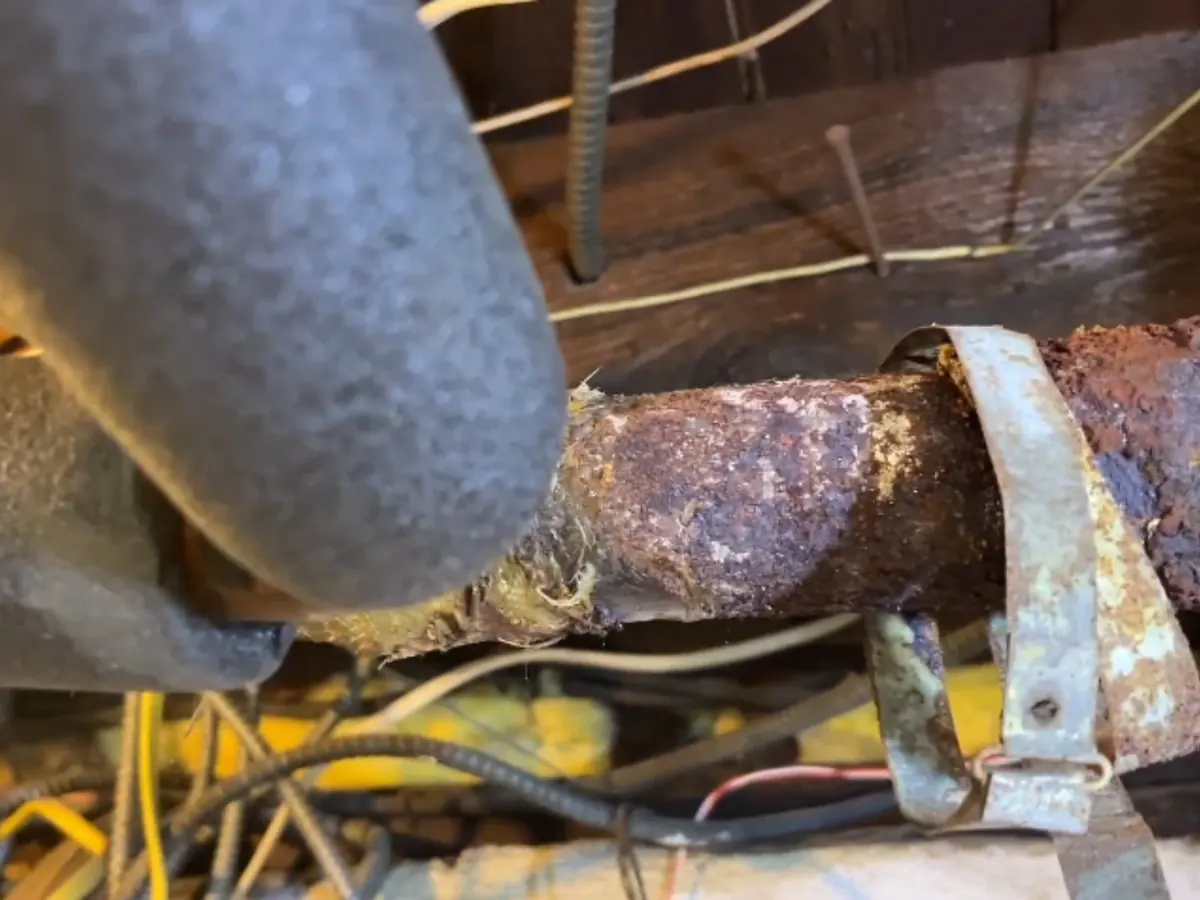
Nobody searches for a repipe first. They notice brown water after a vacation, a shower that barely runs when the washer fills, or a third pinhole leak in two years. Those are the symptoms of pipe that is corroding from the inside.
Galvanized steel is the usual cause in older Nampa homes. Its zinc coating wears away over decades, the steel underneath rusts, and the rust builds up inside the pipe until the opening is a fraction of its original size. Pressure drops first at the fixtures farthest from the meter, and leaks appear at threaded joints where the wall is thinnest.
A single leak in otherwise sound pipe is a repair. Low pressure throughout the house plus discolored water plus more than one leak is a pattern, and patching one spot on a failing system usually moves the next leak a few feet down the line.
In Nampa, the University District around Northwest Nazarene University shows why the house age matters. The city's 2009 University District Plan describes building waves in the 1940s, 1970s and 1990s, so supply pipe there can range from original metal to modern plastic, and a look at exposed pipe tells you which you have before rusty water or weak pressure gets blamed on it.
PEX or Copper for a Nampa Repipe
Both materials are approved under the Uniform Plumbing Code (UPC) that Idaho's plumbing code is based on. The better choice depends on your house, not on a sales pitch.
| Factor | PEX | Copper |
|---|---|---|
| Installed cost | Lower | Higher |
| Wall openings needed | Fewer, because it bends around framing | More, because runs need fittings at turns |
| Freeze tolerance | Better, it can expand slightly before splitting | Splits more readily when water freezes inside |
| Hard water scale | Resists buildup on the pipe wall | Can pit in some water chemistry over time |
| Exposure to sunlight | Must be protected from UV | Not affected |
For most Nampa repipes, PEX wins on cost, fewer drywall cuts and freeze tolerance in crawlspaces. Copper still makes sense where lines are exposed or where an owner simply prefers it.
Leaking Again Before the Repipe?
Close the main shutoff and call. We fix the active leak first and quote the repipe separately.
How a Repipe Actually Gets Done
Most single-family repipes take a few working days. The crew runs new lines through attics, crawlspaces and walls, connects each fixture, then ties the new system in at the main and the water heater. Water is usually off only during the working hours of the tie-in days.
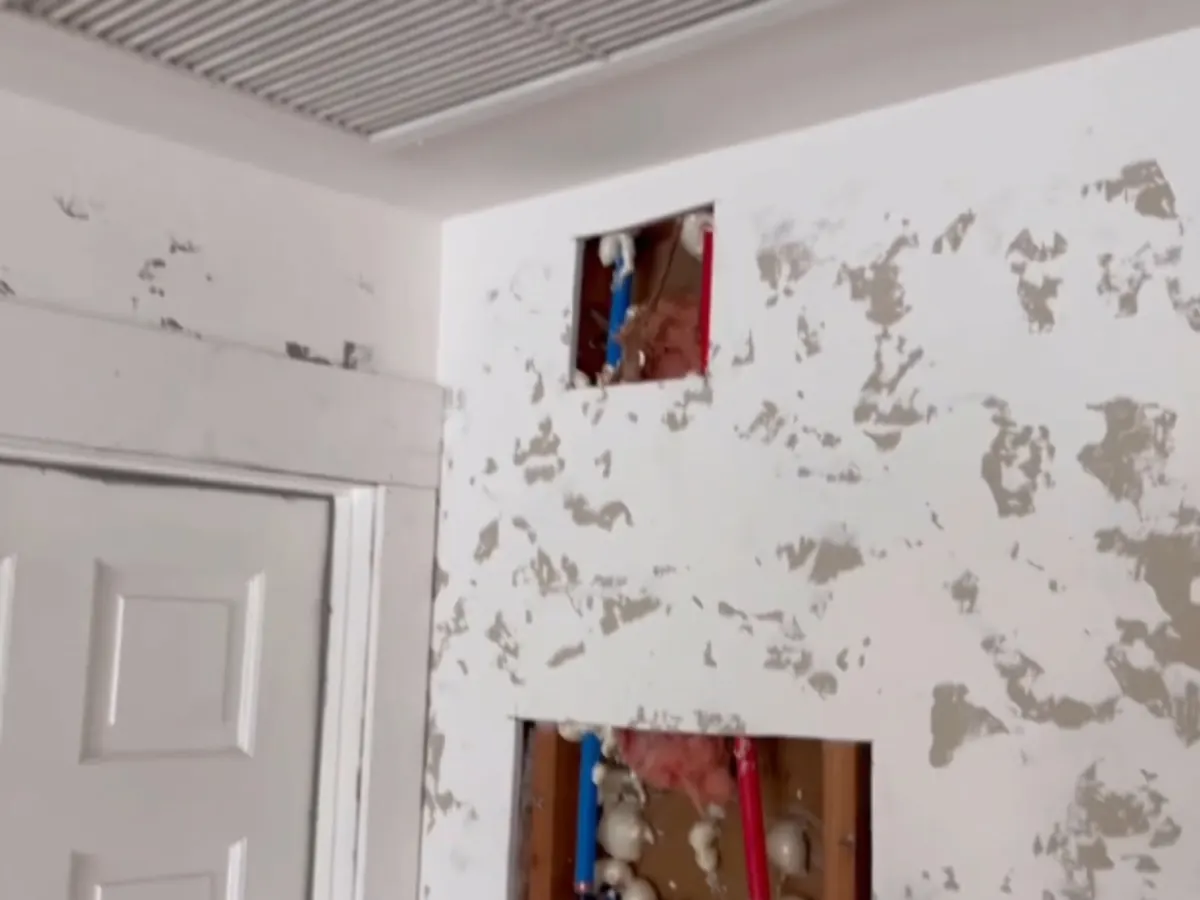
Wall openings are kept small and grouped where possible. Patching drywall is often handled as a separate step, and we will tell you up front which parts of the finish work are in our scope.
A repipe is also the right moment to fix what the old system got wrong: a missing thermal expansion tank, a failing pressure-reducing valve or a main shutoff that no longer closes. If the pipe from the street is also galvanized, that is a separate job covered on our page about the buried main line, because the service line runs outside the house.
When a Repipe Is Not the Answer
Not every house with a leak needs new pipe. If the leak is at a single fitting on otherwise healthy copper or PEX, or if pressure is low because of a failing pressure-reducing valve, a targeted repair is the honest recommendation.
When the cause is unclear, start with leak detection and a pressure check. That costs far less than a repipe and tells you whether the pipe is actually the problem.
What to Do Before Your Repipe Starts
- Clear access points. Move furniture and stored items away from walls near bathrooms, the kitchen and laundry, and clear the path to the crawlspace or attic hatch.
- Protect valuables. Take down framed pictures and fragile items on walls that share plumbing, since drywall gets cut and patched.
- Plan around water-off hours. Fill a few jugs for drinking and cooking on tie-in days, and plan laundry and showers for evenings.
- Secure pets. Crews move in and out through doors and access hatches all day.
- Confirm finish work. Agree in writing on who patches and paints drywall before the job starts, so there are no surprises.
What Sets the Cost of Repiping a House
Repipe cost follows the size of the house, the number of fixtures and how easy the walls and ceilings are to reach.
Homeowner insurance typically does not pay for replacing old pipe, though it may cover sudden water damage from a leak. Some owners schedule a repipe right after a claim to avoid a second one.
Want your real number? Call (208) 679-8357 for a free repipe estimate.
Older Pipe Materials and What They Mean for a Repipe
Repiping decisions often start with identifying what is already there.
| Material | How to recognize it | Common issue |
|---|---|---|
| Galvanized steel | Dull gray, threaded joints, a magnet sticks | Internal rust, low pressure, leaks at joints |
| Copper | Orange or brown, soldered joints | Pinhole leaks in some water chemistry, freeze splits |
| Polybutylene | Flexible gray plastic, often stamped PB | Fittings and pipe prone to failure with age |
| CPVC | Rigid cream or tan plastic | Can turn brittle with age |
| PEX | Flexible red, blue or white tubing | Usually the replacement, not the problem |
Signs It Is Time to Stop Repairing and Repipe
Several of these together usually tip the decision. Watch for more than one leak in the past two years, brown water after the water has sat and low pressure at every fixture rather than one. Visible corrosion on exposed pipe and a house still running galvanized or polybutylene supply lines point the same way.
If only one of these applies, targeted repairs and a pressure check may be enough. If three or more apply, a repipe quote is worth getting before the next leak. Having someone find the current leak first keeps the emergency repair small while you decide.
Repiping Questions from Nampa Homeowners
Yes, most families do. Water is shut off during parts of the working day, and the crew restores service before leaving each evening whenever the work allows.
Yes. New water supply piping is permitted work. Inside city limits the City of Nampa Building Department issues it, and the new system is inspected before walls are closed.
If corroded galvanized pipe is the cause, yes, usually dramatically. If the cause is a failing pressure-reducing valve or a partly closed main valve, a repipe alone will not fix it, which is why we test pressure before quoting.
Only if it is near the end of its life. Coordinating both saves one tie-in visit, and a new water heater quote can be bundled into the same scope.
Yes. Older neighborhoods in nearby Caldwell have many of the same galvanized-era homes, and we quote repipes there on the same terms.
Usually small openings at fixtures and along key runs, not whole walls. PEX needs fewer openings than copper because it bends around framing.
No. Repiping covers supply pipes inside the house. The buried line from the meter is a separate job with its own excavation and permit.
No. Water is off during parts of the working day, mainly for tie-ins, and restored in the evening in most cases.
Often, if the home still has galvanized or polybutylene supply lines. Buyers' inspectors flag both, and a permitted repipe with inspection records answers the question before it becomes a negotiation point.
Yes. Some owners replace the most failure-prone runs first, such as lines to the kitchen and baths, and finish the rest later. It costs a little more overall but spreads the expense.