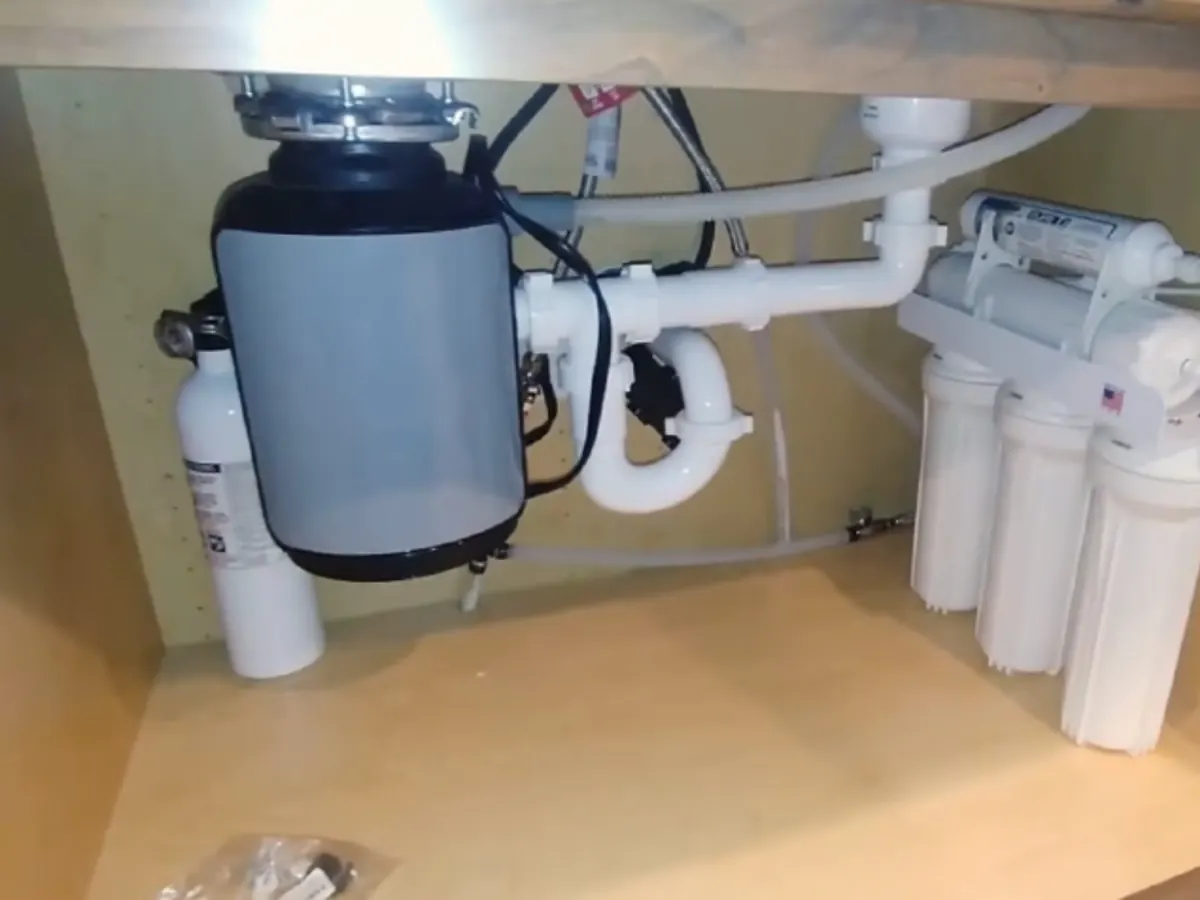
Chlorine Taste, Cloudy Water or Questions About What Is in the Tap
People call about filtration for different reasons. The water tastes of chlorine. Ice cubes come out cloudy. A new baby has parents reading the city's water report closely. Or a rural well has never been tested at all.
Nampa's drinking water comes from city wells drawing on the Snake River Plain aquifer. The city's annual reports state that the water meets EPA and state standards, and they also note that it contains low levels of naturally occurring arsenic. The same reports advise that nitrate above 10 parts per million is a risk for infants under six months, and that lead, if present, typically comes from service lines and home plumbing rather than the source water.
What that means in practice: read your latest city report, decide what you want to reduce, then choose a filter certified to reduce that specific thing. Filters are not interchangeable.
Rural parcels on private wells between Nampa and Lake Lowell, and around the Deer Flat National Wildlife Refuge, are where we most often recommend testing before any purchase. City homes from downtown to the Idaho Center district start with the city's annual water report instead.
Filter Types and What They Handle
Certification to an NSF/ANSI standard is the proof that a filter reduces what its label claims. Check the certification for the specific contaminant, not just the brand.
| System | Typically reduces | Treats | Relevant standard |
|---|---|---|---|
| Whole-house carbon | Chlorine taste and odor, some chemicals | Every tap | NSF/ANSI 42 or 53 |
| Whole-house sediment | Sand, grit, rust particles | Every tap | Manufacturer rating |
| Under-sink carbon block | Taste, odor, some certified contaminants | One faucet | NSF/ANSI 42 or 53 |
| Reverse osmosis | Dissolved solids, and certified models reduce arsenic and nitrate | One faucet, often the fridge | NSF/ANSI 58 |
| Water softener | Hardness only, not a health filter | Every tap | See softener page |
A water softener and a filter do different jobs. Softening handles scale. Filtration handles taste, odor and specific contaminants.
Filter Housing Leaking?
Close the valves on either side of the housing or use the bypass, then call.
Well Water Is a Different Starting Point
The city's water report covers only the city system. Homes on private wells, which are common on acreage outside Nampa city limits, are responsible for testing their own water, and results can differ a lot from city water.
Wells in farm country can carry nitrate, iron, hardness well above city levels, and sometimes bacteria. A lab test tells you what you are dealing with, and treatment is chosen from the results. Rural properties south of town toward Melba and north of Middleton are where we see the widest range of well water.
A well test before installing any system avoids paying for treatment you do not need, or missing one you do.
What to Do to Keep a Filter Working
- Change cartridges on schedule. A spent carbon filter stops doing its job and can shed what it collected. Put the dates on a calendar.
- Replace RO membranes as rated. Most reverse osmosis systems need a membrane change every few years and pre-filters more often.
- Protect RO membranes from hard water. On harder Nampa wells, softening ahead of an RO unit extends membrane life.
- Sanitize after long absences. A system that sat unused for weeks should be flushed before drinking from it.
- Keep the bypass reachable. A whole-house filter should have a bypass valve so water keeps flowing during service.
What Filtration Installation Costs Depends On
Point-of-use systems at one sink are a small job. Whole-house systems need space on the main line and a bypass, which adds work.
Filtration equipment is not covered by homeowner insurance. It is a planned purchase, and cartridge costs belong in the budget.
Want your real number? Call (208) 679-8357 and tell us whether you are on city water or a well.
Water Filtration Questions
The City of Nampa reports that its water meets EPA and state drinking water standards. Filtration is a choice to reduce specific things further, not a sign the water fails standards. For health questions, ask your doctor or the health district.
Standard carbon filters generally do not. Reverse osmosis systems certified to NSF/ANSI 58 for arsenic reduction are the usual point-of-use choice. Check the certification for the specific form of arsenic claimed.
Yes, RO sends some water to the drain as it produces treated water. Newer designs waste less. For drinking and cooking volumes at one tap, the added use is modest.
Filters certified for lead reduction can help, and the city also advises running the tap for 30 seconds to 2 minutes after water has sat for hours. Replacing old lead-bearing components is the permanent fix, which a whole-house repipe handles.
Only if you want both jobs done. Softening stops scale, and filtration reduces taste, odor or specific contaminants. On harder water, a softener ahead of an RO unit protects the membrane.