Standing Water in the House?
Shut off the water source if you can do so safely, then call the 24/7 water line.
24/7 Emergency Water Mitigation and Water Removal
Mitigation is the emergency half of a water loss. It means removing standing water, pulling out soaked materials that cannot be dried and getting air movers running before the damage spreads, while restoration and rebuilding can be scheduled later.
Before the crew arrives, shut off the water or the power to the wet area if you can do it safely and move furniture and electronics off wet floors. Photograph everything for the insurance claim before anything is thrown out.
Two Stages, Two Different Jobs
People use the terms interchangeably, but insurers and restoration crews treat them as separate phases.
| Water mitigation | Water damage restoration | |
|---|---|---|
| Goal | Stop the damage from spreading | Return the home to its pre-loss condition |
| Timing | Immediately, first hours and days | After the structure is dry |
| Typical work | Extraction, tear-out, drying, moisture monitoring | Drywall, flooring, cabinets, paint, finish work |
| Main risk if delayed | Mold, swelling, wicking into walls | Rebuilding over hidden moisture |
The rebuild phase is covered on our restoration and rebuild page. Mitigation always comes first.
What Happens During Mitigation
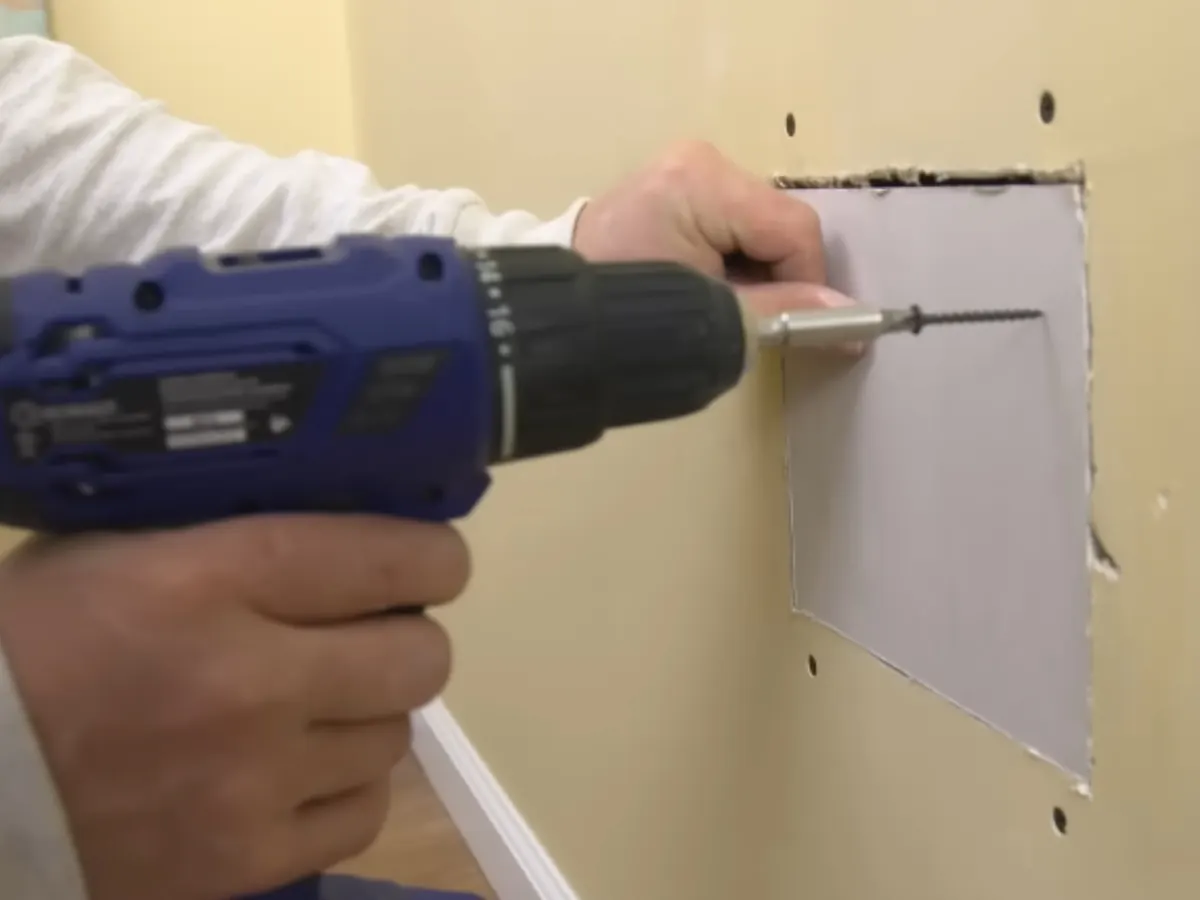
Crews start by extracting standing water with pumps and truck-mounted or portable extractors. Wet carpet pad, saturated insulation and drywall that wicked water above the waterline are usually removed, since they rarely dry properly in place.
Air movers and dehumidifiers then dry the structure. Crews take moisture meter readings on walls, subfloors and framing each day, and equipment stays until readings reach normal. Professional crews follow the IICRC S500 standard for water damage work, which sets out how drying is measured and documented.
In crawlspace homes, common around Nampa, mitigation often includes the space under the house: wet insulation removed, standing water pumped out and the crawlspace dried so humidity does not climb into the floors above.
Timing in Nampa follows the irrigation calendar. When the canals refill each April, crawlspaces in low-lying neighborhoods near Lake Lowell and along the canal network can take on water, and quick extraction keeps it from soaking into insulation and framing.
What to Do While You Wait
- Stop the source. Close the main shutoff. The pipe itself can be fixed by a plumber, see emergency burst pipe service.
- Avoid electrical hazards. Stay out of standing water near outlets and appliances.
- Document the damage. Photos and video before anything is moved.
- Move valuables up and out. Electronics, documents, photos and rugs first.
- Open windows if weather allows. Fresh air helps in dry weather. In cold weather, keep heat on to aid drying.
Sewer Backups Need Extra Care
Water from a sewer backup is treated as the most contaminated category under the S500 standard. Crews remove porous materials it touched, such as carpet, pad and lower drywall, rather than drying them, then clean and sanitize the surfaces.
Keep children and pets away from the area. If the backup came from the home's own sewer line, it needs fixing before the area is restored, and our crew can repair the damaged sewer line. The same 24/7 water line also covers homes in nearby Middleton and other towns around Nampa.
What Affects the Cost of Mitigation
The affected area, water category and how many days of drying are needed set most of the cost.
Insurers generally expect prompt mitigation after sudden water damage, and delays can affect a claim. Call your insurer early and keep every invoice and moisture log.
Want your real number? Call (833) 521-1033.
Water Mitigation Questions
Extraction happens on the first visit. Drying commonly runs several days, depending on materials and how long they were wet. Equipment stays until moisture readings are normal.
Small, clean-water spills caught immediately sometimes can be. Water inside walls, under flooring or in a crawlspace usually needs professional extraction, dehumidification and moisture measurement.
Drywall wicks water upward. Cutting above the visible line removes the wet section and opens the wall cavity so it can dry.
For sudden, covered water damage, mitigation is commonly part of the claim. Coverage depends on the cause and your policy wording.
Yes. Water mitigation and restoration use the dedicated line at (833) 521-1033. Plumbing repairs use the main plumbing number.