What to Do in the First Hour After Water Damage
- Stop the source. Close the main water shutoff. If the cause is a burst line, our plumbing team can fix the broken pipe on a separate line.
- Stay safe around electricity. Do not walk through standing water near outlets or appliances. Shut off power to affected areas only if you can reach the panel from a dry spot.
- Photograph before moving anything. Document the source, water levels and damaged items for your insurer.
- Move what you can to a dry area. Lift furniture onto blocks or foil, and move rugs, electronics and papers.
- Do not use a household vacuum on water. It is an electrical hazard and will not remove enough water to matter.
Emergency Water Damage Restoration Starts With Stopping the Water
Water damage gets worse by the hour. Drywall wicks water upward, hardwood starts to cup and the padding under carpet holds moisture long after the surface feels dry, so the sooner extraction and drying begin, the more of the house can be kept.
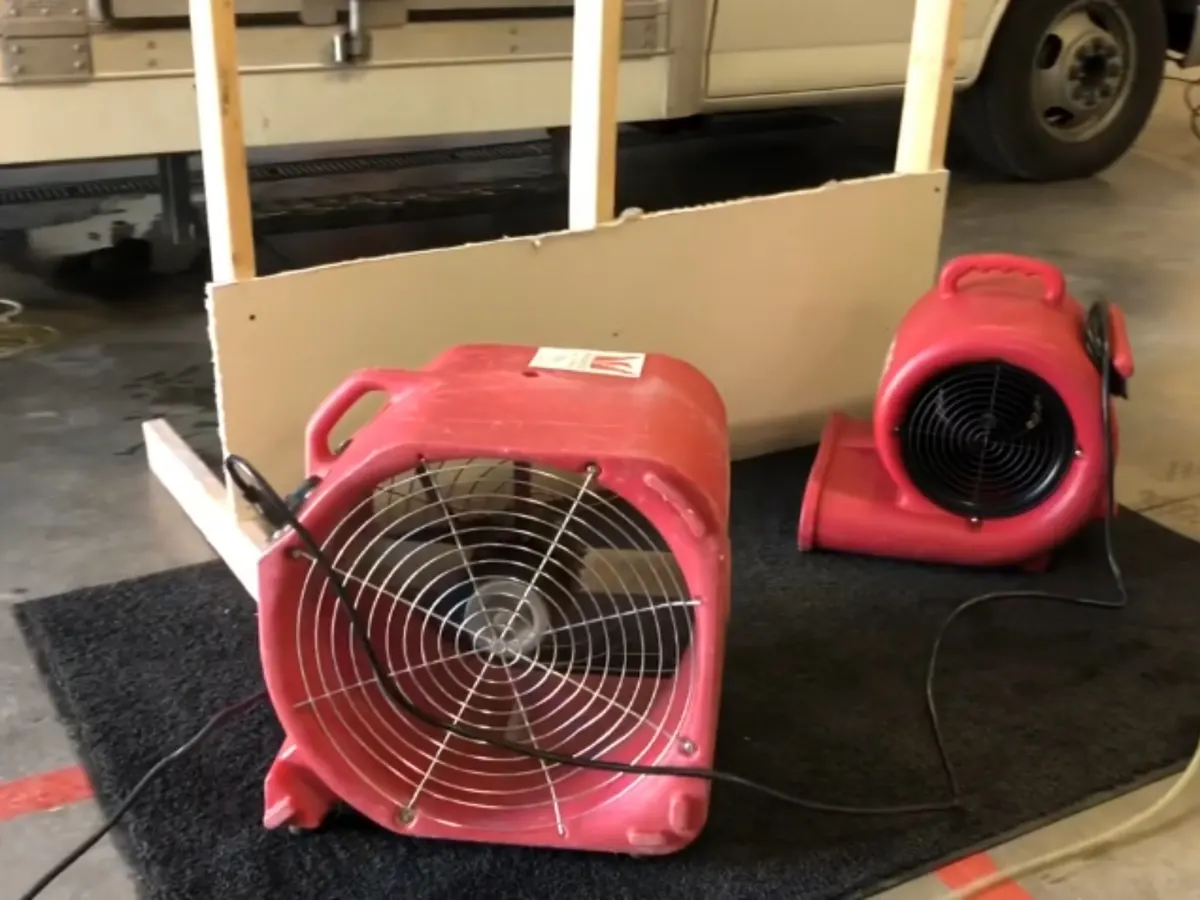
Call the 24/7 restoration line as soon as the source is shut off. Crews remove standing water, set drying equipment and record moisture readings so the job is documented for your insurer, and the pipe or fixture that caused the damage can be repaired as part of the same job.
Clean, Gray and Black Water Are Handled Differently
The IICRC S500 standard for professional water damage restoration sorts water by contamination level, because it changes what can be dried and what must be removed.
| Category | Typical source | What it means |
|---|---|---|
| Category 1, clean water | Burst supply line, water heater leak | Many materials can be dried in place if acted on quickly |
| Category 2, gray water | Washer overflow, dishwasher, toilet overflow without waste | More materials removed, cleaning required |
| Category 3, black water | Sewer backup, flooding from outside | Porous materials removed, sanitizing required |
Clean water does not stay clean. After a day or two in carpet and drywall, it can become gray water, which is one more reason speed matters.
Water Damage in Your Home Right Now?
Stop the water source, then call the 24/7 water damage line.
From Soaked to Restored
Restoration starts with water mitigation: extracting standing water, removing what cannot be saved and setting up drying equipment. That stage stops the damage from spreading.
Drying is then monitored with moisture meters until materials reach normal levels. Drying by the calendar instead of by measurement is how hidden moisture gets sealed behind new drywall.
Once dry, the restoration phase replaces drywall, insulation, baseboards, flooring and cabinetry as needed. Where mold has started, the IICRC S520 standard guides remediation before rebuilding.
In Nampa, water damage often starts under the house rather than in it. Homes near canals like the Ridenbaugh, which runs from Barber Park in Boise to Lake Lowell, can see crawlspace moisture after irrigation starts, and that slow soak is easy to miss until floors or insulation show it.
Where Water Damage Usually Comes From Here
The City of Nampa rates floods from outside as rare, so most water damage here starts inside the house. Winter burst pipes in crawlspaces and exterior walls lead the list, followed by failed water heaters, washer and toilet supply lines, and sewer backups.
Crawlspace homes, common across the Treasure Valley, add a specific risk: a leak under the house can soak insulation and raise humidity for days before anyone notices. If the source was a plumbing failure, fixing it properly matters as much as drying, and our leak-locating crew can confirm nothing else is leaking before walls are closed.
We serve homes throughout Nampa and nearby towns, including Kuna.
What Drives the Cost of Restoration
Area affected, water category and how long the water sat drive most of the cost. Quick response keeps more materials salvageable.
Most homeowner policies cover sudden water damage, such as a burst pipe, and exclude gradual leaks and flooding from outside. Sewer backup coverage usually needs a separate endorsement. Keep photos and invoices, and call your insurer early.
Want your real number? Call (833) 521-1033.
Water Damage Restoration Questions
EPA guidance is to dry wet materials within 24 to 48 hours to help prevent mold growth. The sooner drying starts, the more can be saved.
Sometimes, if it was soaked with clean water and dried quickly. Drywall hit with gray or black water, or left wet too long, is usually removed.
Sudden, accidental water damage is commonly covered. Gradual leaks, outside flooding and, without an endorsement, sewer backups are often excluded. Your policy wording decides.
No. Water damage restoration has its own line at (833) 521-1033. Plumbing repairs such as fixing the burst pipe use the main plumbing line.
Yes. The water damage line covers Nampa and the surrounding Treasure Valley towns.